







Search Results for: palate cleansing
The Mystery of Espresso Paired with Ice Water: A Complete Analysis from Palate Cleansing to Flavor Perception
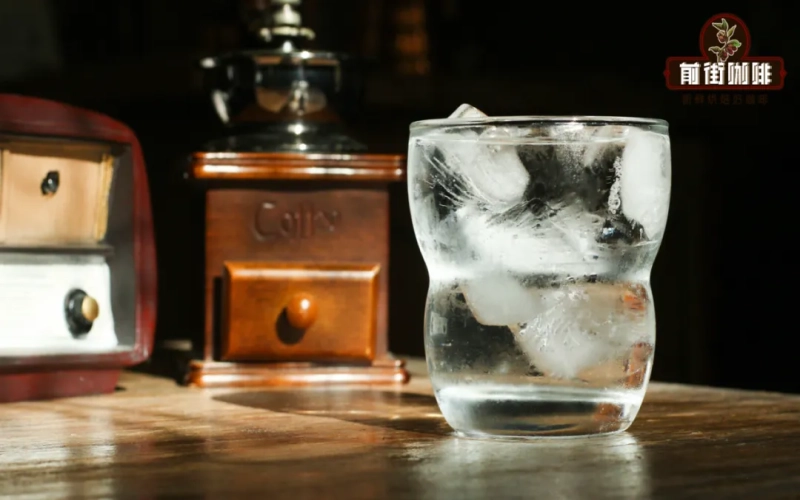
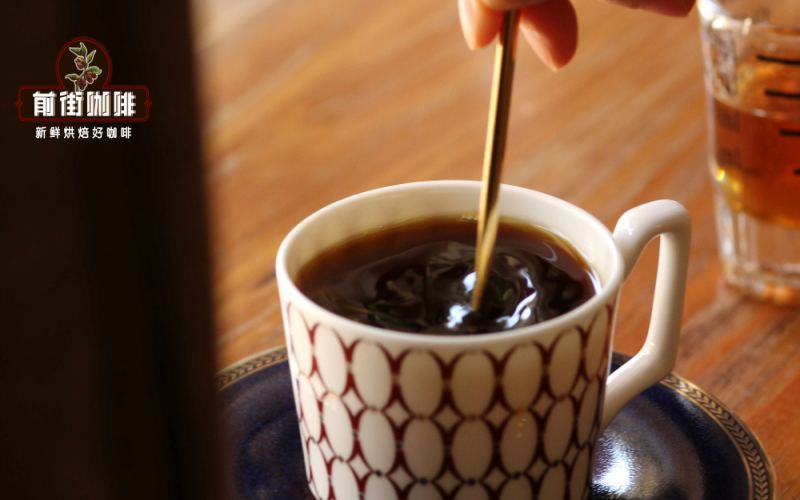
When you order an espresso at a coffee shop, it is often served with a small glass of ice water. This seemingly simple pairing actually embodies the scientific principles of coffee tasting. The ice water does not directly clean the palate; rather, it stimulates saliva production through the cold temperature, and the enzymes in the saliva help clear residual particles from the mouth, allowing us to perceive the coffee's flavors more accurately. This is especially true for the highly concentrated espresso, where lingering volatile compounds in the mouth can interfere with the taste buds and retronasal olfactory judgment. Drinking ice water beforehand can effectively enhance flavor perception. This article will provide an in-depth analysis of the mechanism by which ice water functions in coffee tasting, and how this small gesture can help you experience the aroma and layers of the coffee itself more fully. [Image 1] [more…]

Why Drink Iced Water Before Coffee Tasting? The Origins of Espresso with Iced Water and an Analysis of Its Applicability to Pour-Over
When ordering at a café, you'll often see a glass of ice water served alongside an espresso, and many enthusiasts are in the habit of drinking ice water before their coffee. Can this glass of ice water actually help us perceive coffee flavors more clearly? Front Street Coffee will approach this from the perspective of oral sensory cleansing, explaining how ice water enhances the tasting experience by rinsing away residue, stimulating saliva production, and numbing the palate through low temperature, while also tracing the origins of this practice in espresso culture. It will also discuss whether pour-over coffee is suited to the same approach, and why room-temperature water is gentler on the stomach and intestines. [more…]
Espresso Tasting Guide: From Proper Drinking Method to a Comprehensive Analysis of Caffeine Content
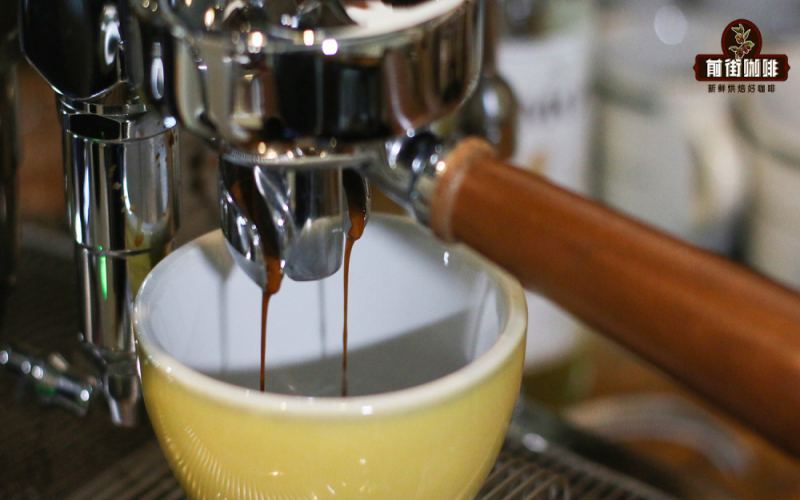
Espresso serves as the foundation of Italian coffee, known for its high concentration and focused flavor. It can be enjoyed on its own and also forms the base for classic coffee drinks like lattes and cappuccinos. A standard single shot of espresso is about 30 milliliters, contains roughly 100 milligrams of caffeine, and has a concentration of 9% to 11%, far higher than pour-over coffee. Faced with such a powerful cup, many people are unsure how to properly taste it. Starting from the definition of espresso serving sizes and caffeine data, this article breaks down in detail the aroma, mouthfeel, and aftertaste to focus on during tasting, and includes specific steps such as cleansing the palate, stirring, drinking in stages, and closed-mouth aeration. It also recommends two coffee beans—Front Street Coffee's Strawberry Candy and the Classic Italian Blend—to help enthusiasts more fully appreciate the charm of espresso. [more…]
Why Is Iced Americano So Popular? How Do Hot and Iced Americanos Differ in Flavor and Effects?
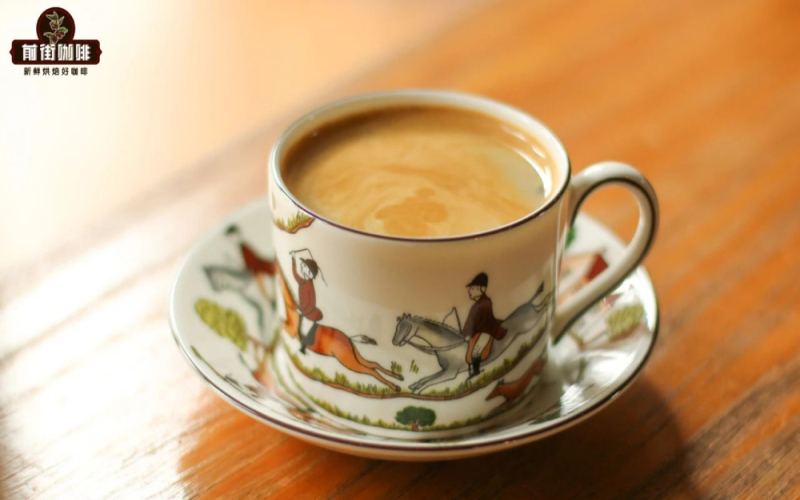
No matter the season, people who walk into a coffee shop and order an Americano tend to choose it iced. Why is iced Americano so popular? Isn't hot Americano just as aromatic? After talking with many customers, Front Street Coffee found that people's preference for iced Americano mainly comes down to three reasons: the younger generation's natural liking for cold drinks, the lower perception of bitterness in iced Americano, and its refreshing, palate-cleansing taste experience. So, is there actually any difference between hot and iced Americano in terms of flavor expression and practical effects? This article will use the same coffee beans, the same extraction parameters and ratios, and prepare Americanos with three water temperatures—high, room, and low—for a side-by-side comparison, analyzing them from dimensions such as aroma, taste, and mouthfeel, while also offering recommendations on suitable coffee beans for making Americano. [more…]
How to Determine the Water-to-Coffee Ratio for Iced Pour-Over Coffee? An Analysis of Ice Placement Timing and a Complete Brewing Plan
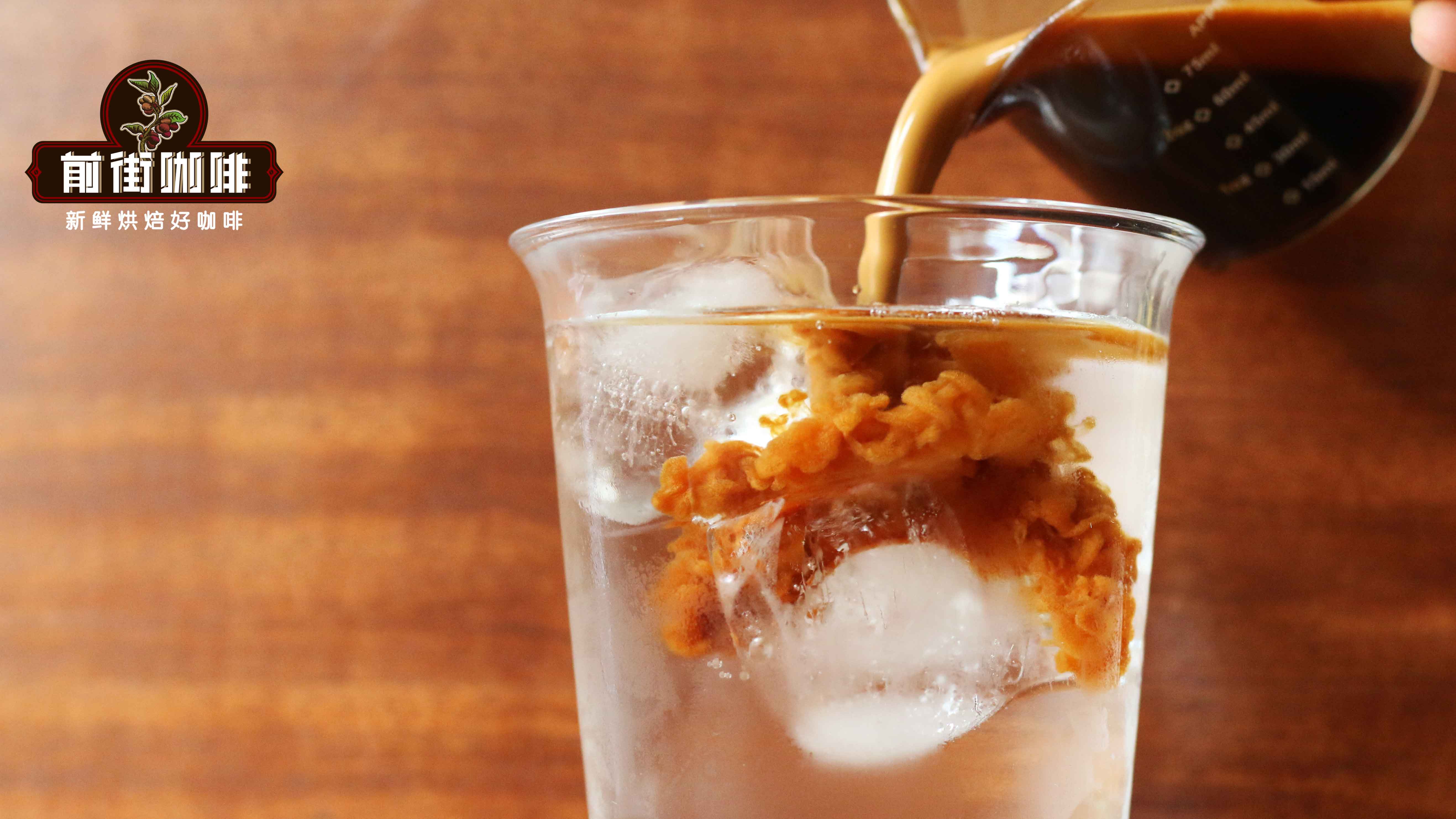
Iced pour-over coffee, with its refreshing and palate-cleansing taste, has become a favorite among many coffee enthusiasts. But to make a delicious iced pour-over, the key lies in setting the water-to-coffee ratio and how you use the ice. Unlike hot pour-over, iced pour-over requires first extracting a highly concentrated hot coffee liquid, then diluting and cooling it with ice, so the coffee-to-water ratio, pouring amount, and ice quantity all need to be readjusted. This article will explain in detail the brewing approach for iced pour-over, suitable coffee bean choices, and the parameter scheme used by Front Street Coffee in actual practice, helping you easily recreate a cup of iced pour-over with complete flavor at home. [more…]
How much ice and water should go into an iced Americano? Is it normal for coffee to taste sour? A detailed guide to the perfect Americano ratio
Iced Americano, with its refreshing and palate-cleansing taste, has a large fan base regardless of winter or summer. But many coffee lovers notice that the iced Americano they drink sometimes tastes sour, and sometimes bitter—is the coffee spoiled, or is it a characteristic of the beans themselves? There are many versions of the story about the origin of Americano, and its flavor expression is actually closely related to the coffee bean's growing region, roast level, and extraction ratio. This article will analyze the causes of sourness, roasting trends, and the differences between SOE and blended beans, and share the specific ratios and parameters used by Front Street Coffee when making hot and iced Americanos, to help everyone find the cup of Americano that suits their taste. [more…]

Cold Brew vs. Hot Brew: Flavor Differences Explained: Low-Temperature Extraction Principles, Taste Characteristics, and Key Brewing Points
Iced coffee is favored by many consumers for its refreshing and palate-cleansing taste. Even in the cold winter months, some customers still visit Front Street to order these types of drinks. Hot brew and cold brew present different coffee flavors due to their different extraction temperatures. Cold brew coffee involves steeping coffee grounds in cold water at a low temperature for a long time to release aromatic compounds, and both ice drip and cold steep fall into this category. This article will explore cold brew's historical origins, its differences from pour-over hot brew, and brewing suggestions, helping coffee enthusiasts understand what makes cold brew unique. At the same time, Front Street will also share coffee bean selections and operational details suitable for making cold brew, for everyone's reference. [more…]

The Correct Way to Drink Espresso: A Complete Guide from Beginner to Addict
Espresso has always been the most misunderstood drink in coffee shops. On social media, many people are drawn in by the cool image of downing one in a single gulp, order a cup eagerly, and then get caught off guard by the intense bitterness. In fact, the problem isn't that espresso itself tastes bad—it's that most people haven't yet mastered the correct way to drink it. Front Street Coffee has witnessed too many similar scenes in its daily store operations, so it has specially put together this espresso tasting guide. From stirring the crema to drinking it in stages, from cleansing the palate with ice water to closing your mouth to savor the aroma, with just a few simple steps, you'll have a chance to truly appreciate the captivating layers of espresso. [more…]
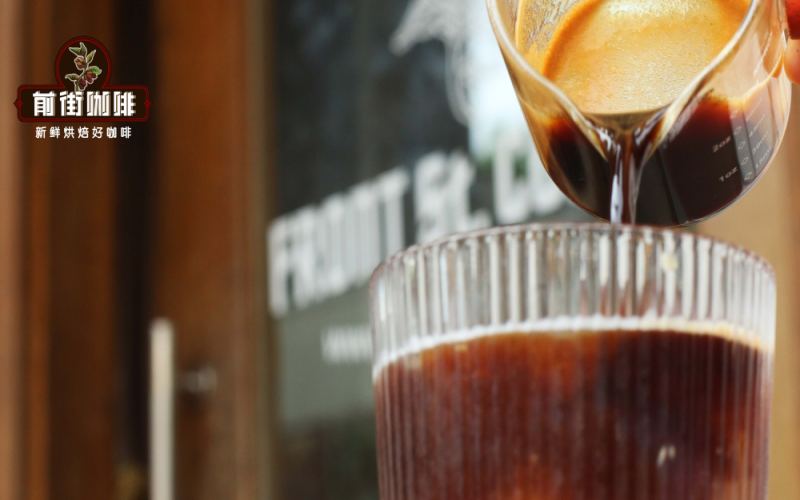
Espresso Tasting Guide: A Full Breakdown of Concentration, Mouthfeel, Extraction Standards, and How to Drink It Properly
Espresso is renowned for its high concentration, but high concentration does not equal burnt bitterness. A good espresso should remain smooth and free of grittiness within its intense richness, while delivering a pronounced sweet aftertaste. This article, from the tasting perspective of Front Street Coffee, analyzes how concentration affects flavor and mouthfeel, explains the importance of fresh roasting and fresh grinding for crema and aroma, and provides SCA extraction parameters along with practical in-store references. It also introduces the flavor directions of several Front Street espresso blend beans, as well as a tasting procedure that involves rinsing the palate with ice water and tasting in three sips after stirring, helping you understand and enjoy espresso more systematically. [more…]
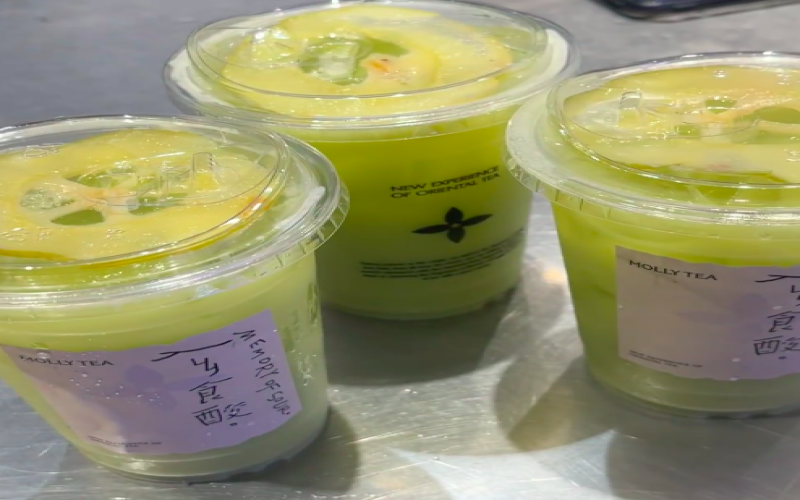
Jasmine Milk White's new product accused of having houttuynia flavor? Sour fruit mix sparks polarized consumer reviews
Jasmine Naibai recently launched a floral special blend "Green Mango and Wampee Iced Tea" that combines Hainan green mango, Guangxi wampee, and Yunnan sour papaya, highlighting a sweet-and-sour, refreshing taste. Each of the three sour fruits has its own character, making many sour-loving consumers eager to try it. However, after the new product launched, reviews have been polarized: some praise its tangy, refreshing quality that cuts through greasiness, while others report tasting a fishy note similar to houttuynia or fish mint. Interestingly, the netizens complaining about the fishy taste mostly come from the north, while staff and some consumers point the finger at the herbal note naturally present in Guangxi wampee. So how does this new product actually taste? Let's take a look together. [more…]

A Comprehensive Analysis of the Origins, Evolution, Standard Extraction Parameters, and Tasting Methods of Espresso
Espresso is the base for many coffee drinks. From its patented design in the late 19th century to the modern 9-bar extraction standard, its evolution has spanned more than a hundred years. This article begins with its historical origins, traces the iterative development of the principles behind making espresso, explains the formation mechanism of crema and the importance of fresh roasting, and provides SCA extraction parameter references. At the same time, using a properly extracted espresso as a sample, it introduces the complete method from cleansing the palate to tasting in three sips. The article also includes the specific recipe and extraction data for the Sunflower Warm Sun blend coffee beans used in Front Street Coffee (FrontStreet Coffee) store output, for coffee enthusiasts' reference. [more…]
Master the correct way to taste specialty coffee: the complete steps from holding the cup and adding sugar to savoring black coffee
Drinking coffee may seem simple, but to truly savor the essence of a specialty coffee, everything from the way you hold the cup to the timing of adding sugar has its own finer points. This article systematically organizes the seven basic techniques for coffee tasting, including holding the cup, adding sugar, using a coffee spoon, cooling methods, using the cup and saucer, pairing with snacks, and the rhythm of drinking, and further breaks down the five-step process for drinking coffee correctly, teaching you how to cleanse your palate with ice water, appreciate the original flavor of black coffee while it's hot, and then gradually add sugar and milk, so as to experience the layered changes in coffee's flavor. Whether you are a beginner just getting into specialty coffee or an enthusiast looking to improve your tasting skills, these details can help you enjoy every cup of coffee more professionally. [more…]
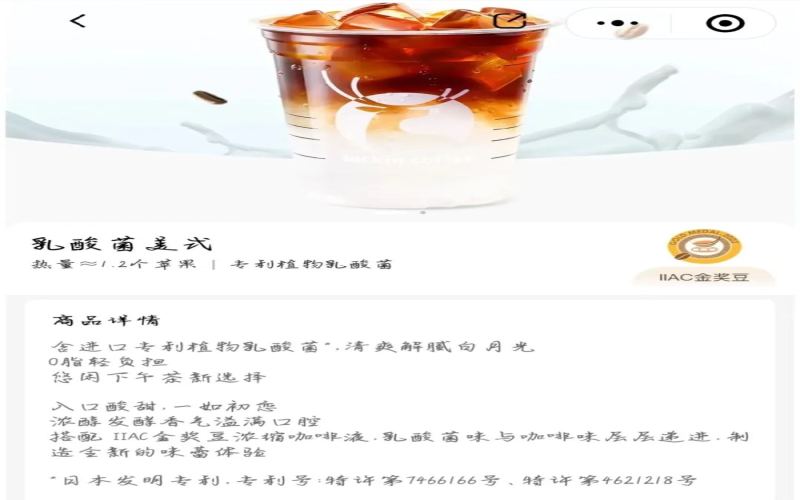
Luckin Probiotic Americano Shanghai Limited Edition Launches, Gut-Clearing Effect Sparks Discussion
Luckin Coffee has recently quietly launched a probiotic Americano in the Shanghai area, combining plant-based probiotics with coffee, touting a refreshing and palate-cleansing experience. This region-exclusive iced drink has attracted attention as soon as it was discovered—some find the sweet-and-sour taste unique, while others feel the coffee aroma is lacking. Some netizens even noticed the dual effect of probiotics and caffeine in promoting intestinal motility, jokingly calling it a new-generation "smooth-movement wonder." The effects of the new product vary from person to person—some who tried it reported immediate results, while others said they felt nothing at all. Consumers in other regions are hoping for a nationwide rollout. [more…]

The Origin Story of Cold Brew Coffee | What Makes Cold Brew Coffee's Flavor Unique? How Does Cold Brew Coffee Differ from Pour-Over Hot Coffee in Taste and Mouthfeel?
For more specialty coffee knowledge, please follow: Front Street Coffee (Frontsteet Coffee). Iced coffee has a refreshing and palate-cleansing taste; even in the dead of winter, some customers come to Front Street to order this kind of iced coffee. Because iced coffee and hot coffee differ in extraction principles, the flavor of the coffee also differs. [more…]

Gu Ming Dark Chocolate Mocha Slammed as a "Laxative Miracle" — Lactose Intolerance or Just Too Heavy-Handed with Ingredients?
Guming obtained approval for a Hong Kong listing filing, becoming the first company to receive the green light amid the new tea beverage IPO wave. Meanwhile, its winter new product "Dark Chocolate Mocha" has drawn attention for its rich cocoa flavor, but has also been jokingly called a "great gut cleanser" due to a large number of consumers reporting diarrhea after drinking it. The official recipe includes cocoa liquor, cocoa powder, old salt syrup, light-feel thick milk, milk, and freshly ground coffee. The triple cocoa brings a rich and smooth taste, but many people find it sweet and cloying, like chocolate milk. The cause of the diarrhea may point to lactose intolerance or caffeine sensitivity, and iced drinks are more likely to aggravate the reaction. This article will sort out the timeline of the incident and consumer feedback, and recommend related products from Front Street Coffee. [more…]

Origin of Cold Brew Coffee | What's Special About Cold Brew Coffee's Flavor and Mouthfeel? Is Cold Brew Coffee Tastier Than Hot Coffee? Is There a Big Difference Between Cold Brew Coffee and Iced Pour-Over Coffee?
For more specialty coffee knowledge, please follow: Front Street Coffee (Frontsteet Coffee). Iced coffee has a refreshing and palate-cleansing taste. Even in the dead of winter, some customers come to Front Street to order this iced coffee. Because iced coffee and hot coffee are extracted using different principles, the flavor of the coffee will also be different. [more…]

Analysis of Espresso Tasting Methods and Recommendations for Blend Beans Suitable for Making Espresso
Espresso is the soul of the Italian coffee system—a single small cup can concentrate the essence of a region's flavors. Drawing on the production experience of Front Street Coffee, this article systematically explains the correct way to taste espresso—from cleansing the palate to drinking it down in one go—and provides an in-depth analysis of why espresso requires a blend rather than a single-origin bean. It details the recipe concepts and flavor profiles of Front Street Sunflower Warm Sun espresso beans (Honduras Sherry 6 : Yirgacheffe Red Cherry 4), the Nut Chocolate flavor blend (Yunnan 3 : Brazil 7), and the commercial espresso blend (Colombia 3 : Brazil 6 : Robusta 1), helping coffee lovers find the espresso beans that suit them. [more…]

Espresso Tasting Guide: From Crema Observation to Palate Experience and Blend Selection
Espresso is renowned as the "soul of coffee." It is both the ultimate expression of concentrated flavor and the litmus test for coffee bean quality and a barista's skill. Many people are put off by its intense taste when they first encounter espresso, but once they get used to it, they often find themselves drawn in by its unique charm. This article, from the perspective of Front Street Coffee, will systematically introduce the espresso tasting process: from observing the state of the golden Crema, to smelling the aroma, observing the color, and tasting it on the palate, extending to different ways of drinking it with water or milk. At the same time, the article will analyze the recipe concepts behind Front Street Coffee's two espresso beans—the specialty blend and the commercial blend—covering the characteristics of the Colombia Huila and Brazil Cerrado producing regions, as well as the role of Robusta beans in crema and flavor, helping readers gain a more comprehensive understanding of what makes a good espresso. [more…]
How Do You Make Starbucks Iced Shaken Espresso? A Complete Three-Step Tutorial to Recreate Fancy Iced Coffee
On a sweltering summer day, a layered iced specialty coffee always turns heads. Starbucks' Iced Shaken Espresso, with its striking three-layer look of dark brown espresso, milk-tea-colored milk, and fluffy coffee foam, has become the top choice for many coffee lovers to recreate at home. This time, Front Street Coffee will walk you through the making logic of this drink: use espresso with ice cubes and vanilla syrup, shake it in a cocktail shaker to whip in air and build a thick foam layer, then pour in oat milk through the layers to create a unique texture where grain and coffee intertwine. From ingredient preparation to extraction parameters, shaking technique, tasting the finished drink, and ideas for flavor variations, this article restores the complete process step by step, so you can easily make your own refreshing yet rich Iced Shaken Espresso at home. [more…]
What Is Cold Brew Coffee? A Complete Guide to Low-Temperature Extraction, Cold Drip Differences, and Home Cold Brew Making
Cold brew coffee has gained increasing attention from coffee enthusiasts in recent years thanks to its smooth, delicate mouthfeel and low bitterness. But many people don't realize that "cold brew" is actually an umbrella term encompassing two methods: immersion-style cold brew and drip-style ice drip coffee. This article will start from the scientific principles of low-temperature extraction, trace the historical development of cold brew coffee from the Dutch maritime era to Japanese ice drip craftsmanship, analyze the differences in flavor and mouthfeel between cold brew and ice drip, and include Front Street Coffee's detailed home ice drip operating parameters and steps, finally recommending several coffee beans suitable for making cold brew, helping you easily craft a satisfying glass of icy coffee this summer. [more…]